
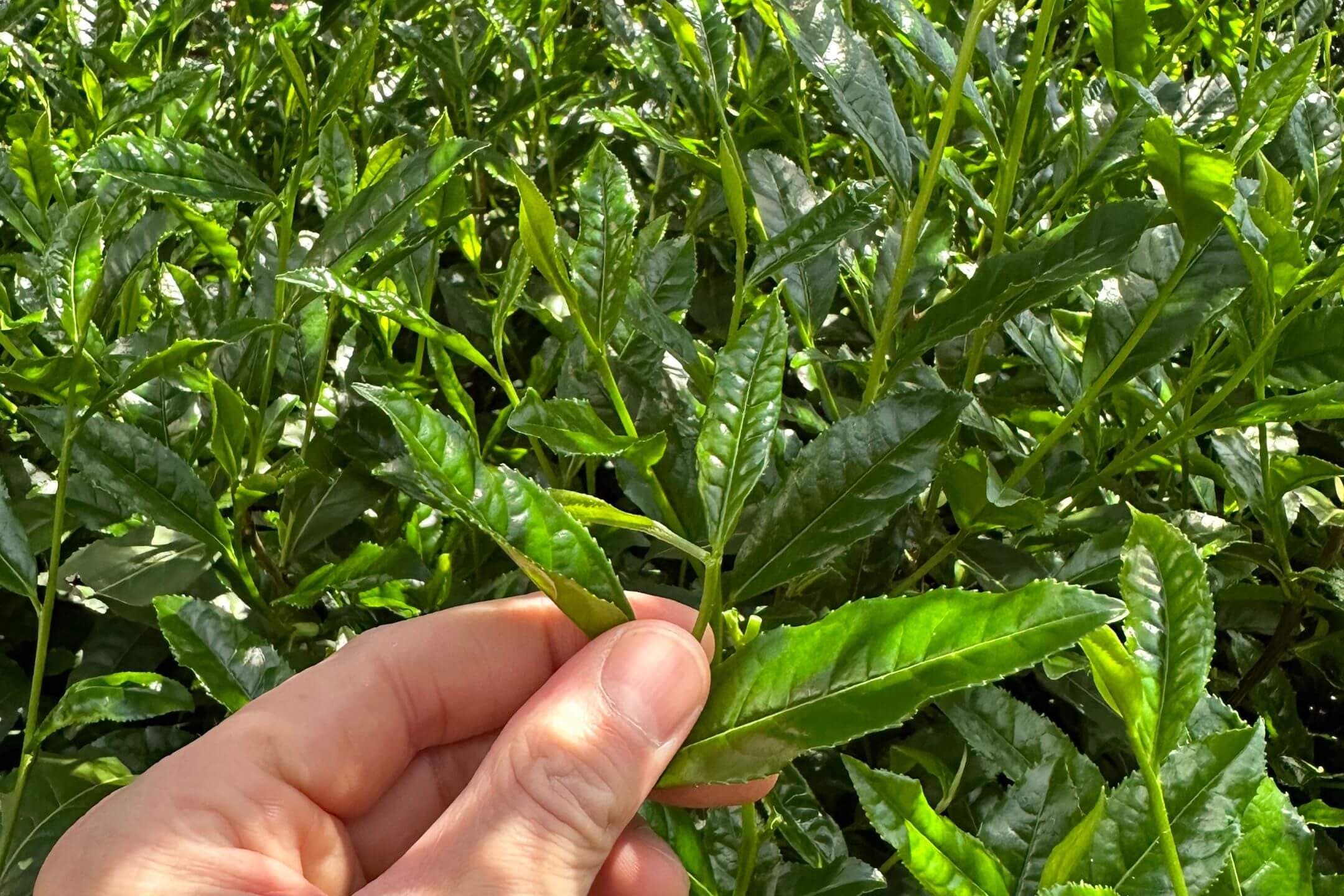
Chayu is located in southeastern Tibet, where high mountains, forested valleys and river systems create a distinctive environment for tea cultivation.
At an average elevation of approximately 2,300 metres, Chayu has a relatively mild and humid climate. Abundant rainfall, extended sunshine and noticeable differences between daytime and nighttime temperatures all influence the development of tea leaves.
A Local Tea-Growing History
Although tea has been part of Tibetan life for centuries, local cultivation in Chayu began during the 1960s. The successful introduction of tea plants established the foundations of a growing local tea industry.
Today, the region produces black, green and white teas. Each category expresses the raw material differently through its processing method.
Mountain Conditions and Tea Character
Elevation alone does not determine tea quality. Soil, rainfall, temperature, cultivar, harvesting and processing all contribute to the finished product.
Chayu’s mountain environment provides several important natural conditions:
- An average elevation of approximately 2,300 metres
- Abundant seasonal rainfall
- A mild, humid climate
- Significant mountain and forest coverage
- Noticeable day-to-night temperature differences
Together, these conditions contribute to the appearance, aroma and flavour of locally produced tea.
An Origin Worth Discovering
For importers, wholesalers and professional tea buyers, origin provides more than a geographical name. It helps communicate the environment, local production history and identity behind a product.
Chayu remains a relatively unfamiliar tea origin in many international markets. Its black, green and white teas offer professional buyers an opportunity to introduce customers to a distinctive region of southeastern Tibet.